

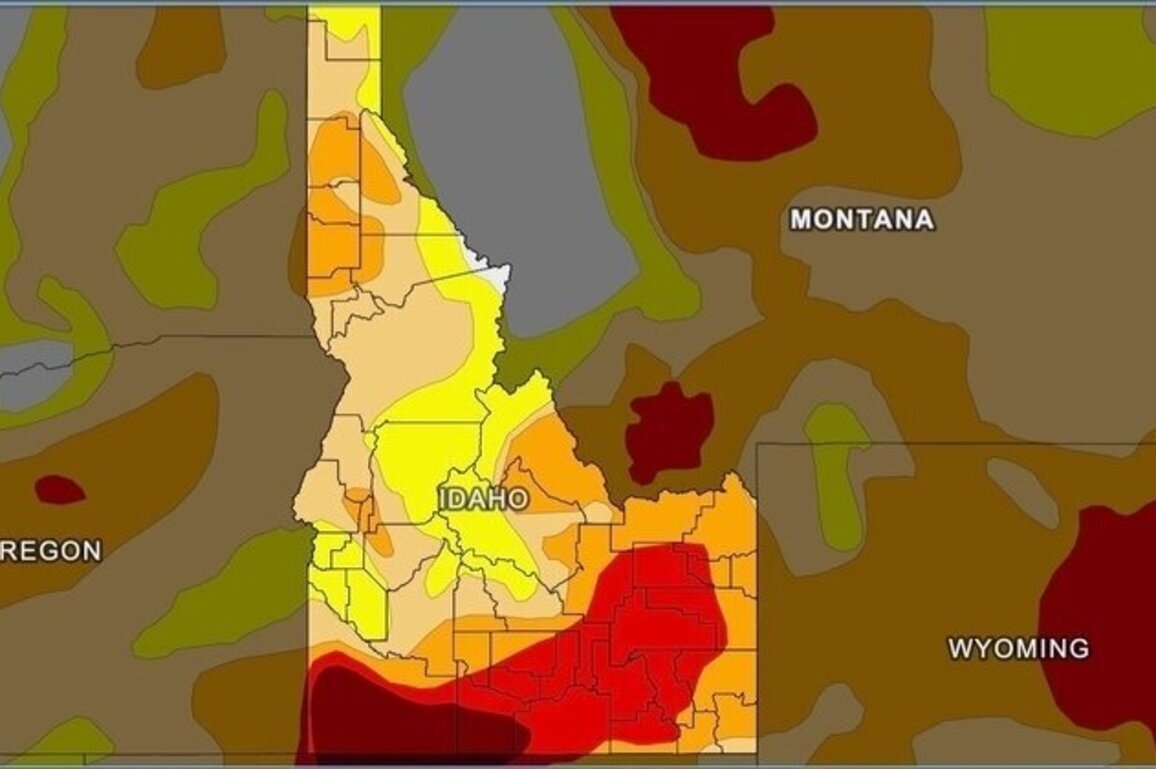
Parts of southern Idaho are facing a tight water year after one of the worst snowpacks in state history helped push Idaho into its eighth-worst drought on record.
David Hoekema, hydrologist for the Idaho Department of Water Resources, said snowpack is Idaho’s largest reservoir. Snowmelt fills human-built reservoirs and typically meets irrigation demand from April 1 to mid-June. Because snowpack was so low this past winter, Hoekema pointed out Idahoans will have to rely more heavily on reservoirs for most of this year’s irrigation season.
"In eastern Idaho and along the state’s southern border with Nevada and Utah, reservoirs are either empty or close to empty," Hoekema noted.
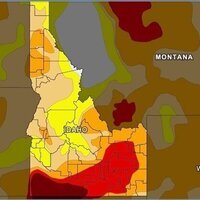
Hoekema pointed to the upper Snake River reservoir system as one example. It usually starts releasing water in mid-June. This year, it began releasing water in mid-April, when it peaked at 76% of capacity. The U.S. Drought Monitor shows areas in southern Idaho are in extreme drought. Places near the state’s southwestern border are in exceptional drought, the worst category.
Hoekema underscored it is too soon to predict how summer precipitation and temperatures will affect water supplies. He added shortages may happen later this season and the challenge could be even greater next year.
“If this were to repeat itself next year, another drought, not maybe this bad, that’s where we really begin to go into those record-breaking water shortages in the state,” Hoekema stressed.
He pointed out farmers are closely monitoring conditions and making adjustments.
“They’re going to change their crop mix,” Hoekema explained. “They’re going to fallow some ground and try to stretch that water supply longer through the year to their cash crops that they really need to get through a rough year like this.”
If similar conditions return next year, Hoekema noted farmers would have a shorter irrigation season and would likely shift to more early-season crops rather than crops harvested later.
Source: Public News Service